
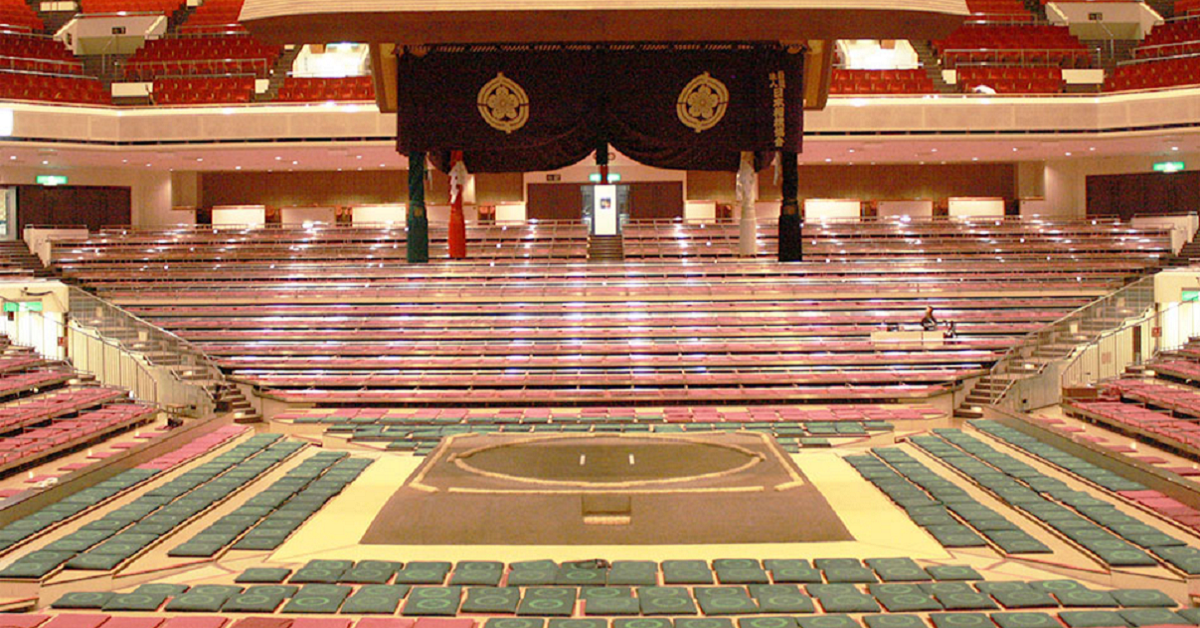

In the world of sumo, every movement carries meaning—none more so than “Zashiki wo Naosu,” a quiet yet powerful act that reflects hierarchy, respect, and tradition. For newcomers and foreign visitors, understanding this subtle gesture offers a deeper appreciation of sumo beyond the bouts. It is not merely tidying up, but a form of silent communication grounded in cultural values.
What is “Zashiki wo Naosu”?
Seating Hierarchy Among Sumo Wrestlers
“Zashiki wo Naosu” refers to the act of adjusting the seating space to prepare it for higher-ranked wrestlers (sekitori), ensuring that junior wrestlers do not sit in those places. It is not just about tidying up—it represents deep respect and strict adherence to hierarchy within the sumo world.
| Rank | Seating Priority | Notes |
|---|---|---|
| Yokozuna / Ozeki | Center of the highest tier | Most respected and central position |
| Sekitori (Juryo or higher) | Center or upper-tier seating | Lower-ranked wrestlers avoid sitting nearby |
| Below-Makushita | Corners or outer areas | Must not sit close to a Sekitori |
| Trainees | Farthest from the ring | Observe from the edges |
This seating arrangement is respected both during daily training and during official tournaments.
The Meaning Behind Tatami Adjustment
A sumo cushion (zabuton) is more than just a seat. For a Sekitori, it is a spiritual space to compose themselves before a match. Touching or sitting in this area without permission is considered disruptive.
| Action | Significance |
|---|---|
| Smoothing the cushion | Helps the Sekitori mentally prepare |
| Leaving the area unoccupied | Shows respect and maintains decorum |
| Readjusting after use | Ensures consistency and ongoing mindfulness |
Being able to perform “Zashiki wo Naosu” naturally is a sign of proper etiquette and maturity as a sumo wrestler.
“Zashiki wo Naosu” as a Form of Sumo Etiquette
Preserving Tradition Through Daily Actions
In sumo, it is often said that everything begins and ends with etiquette. “Zashiki wo Naosu” is one such act that upholds the discipline and values of the sport.
| Location | When “Zashiki wo Naosu” is Performed |
|---|---|
| Training Stables | Before a Sekitori arrives to sit |
| Waiting Rooms | Before and after official bouts |
| Around the Ring | To keep the environment clean and sacred |
Attention to such details is essential in earning trust and respect in the sumo world.
Expected Mindset for Junior Wrestlers
Younger wrestlers, especially those below the rank of Makushita, are expected to lead in performing “Zashiki wo Naosu.” It is considered part of their training.
| Situation | Required Behavior |
|---|---|
| Before practice | Prepare the seating and tools for seniors |
| When seniors are absent | Readjust seating as needed |
| During downtime | Stay alert and ready to maintain order |
This discipline is not about perfection—it’s about mindset and awareness.
Understanding “Zashiki wo Naosu” for Beginners and Foreigners
Why Adjusting the Seating Area Matters
Sumo etiquette, including “Zashiki wo Naosu,” reflects broader values in traditional Japanese culture. It teaches us to respect space, acknowledge hierarchy, and communicate through actions rather than words.
| Concept | Explanation |
|---|---|
| Space and harmony (“Ma” and “Ba”) | Visual expression of respect and order |
| Unspoken rules | Actions are understood without needing instruction |
| Teaching humility and structure | Emphasizes character-building through behavior |
For foreign viewers, understanding these nuances enhances the cultural appreciation of sumo.
Conclusion
“Zashiki wo Naosu” is more than adjusting a cushion—it is a symbolic act that embodies the spirit of sumo. It reflects the values of respect, tradition, and personal discipline that are central to Japan’s national sport.
By learning about this custom, beginners and international fans can better understand the depth and richness of sumo beyond the ring. Even simple gestures, when performed with intention, reveal the cultural and spiritual dimensions of the sport.
So next time you watch a sumo match, pay attention to these background moments. You might find that the essence of sumo lies not only in its powerful bouts but also in the quiet, respectful actions like “Zashiki wo Naosu” that sustain its legacy.
コメント