
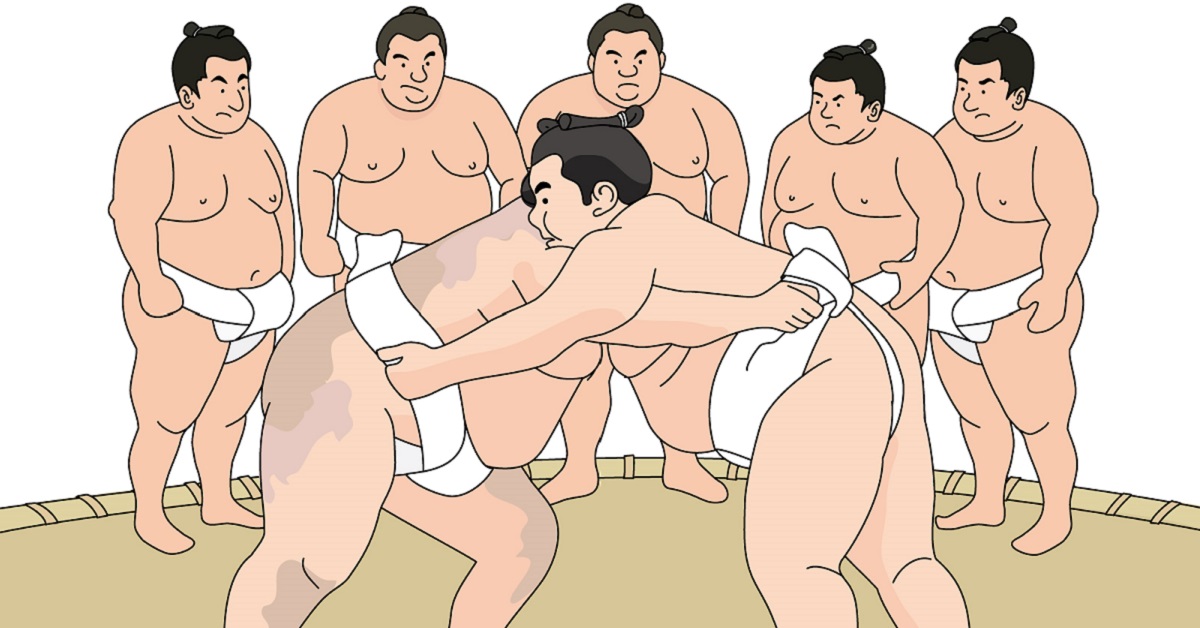

“Degeiko” refers to the practice of leaving one’s own sumo stable (heya) and visiting another stable for training. This is not simply an exhibition of skill, but a traditional method of refining techniques and mental strength through interaction with wrestlers from other stables. This article explains the significance, rules, and actual practices of degeiko in detail, aimed at beginners and foreign fans who want to deepen their understanding of sumo culture.
What Is Degeiko?
Understanding the Role of Degeiko in Sumo
Degeiko means temporarily leaving your own training environment to practice in a different stable under different conditions. It is not just for skill improvement but also meant to strengthen the body and mind in unfamiliar surroundings. In the world of sumo, experience gained through degeiko is considered essential to success in official tournaments.
The following table outlines the key differences between regular training and degeiko.
| Item | Regular Training (Own Stable) | Degeiko (Visiting Another Stable) |
|---|---|---|
| Training Environment | Familiar atmosphere | Tense and unfamiliar setting |
| Sparring Partners | Known wrestlers | Mostly first-time opponents |
| Technical Challenge | Limited styles | Exposure to diverse techniques |
| Mental Growth | Daily routine training | Challenging and unfamiliar trials |
| Purpose | Routine improvement | Final skill adjustments |
Purpose and Benefits of Degeiko
Preparation for Tournaments and Enhancement of Real-Combat Skills
The primary purpose of degeiko is practical preparation for official tournaments. Facing different types of opponents allows wrestlers to test the effectiveness of their techniques. It provides an opportunity to identify areas for improvement and fine-tune their style accordingly.
Building Relationships and Mental Development in the Sumo World
Degeiko is not only about technical exchange but also serves as a place for spiritual and mental growth. Training in a different environment naturally fosters discipline and proper manners. In sumo culture, respectful behavior is a significant marker of a wrestler’s character.
Rules and Manners of Degeiko
Fundamental Etiquette and Behavior During Degeiko
When requesting degeiko, a wrestler must first receive approval from their own stablemaster and then formally ask the host stable’s stablemaster for permission. Upon arrival, wrestlers are expected to behave respectfully and with humility. From greetings to behavior during training, every action is observed.
Degeiko is not a place for boasting but for humble learning and improvement. After training, wrestlers should express their gratitude and quietly leave the premises, showing maturity and respect.
Eligibility for Degeiko by Rank
Degeiko is not open to all wrestlers. It is typically allowed for those with sufficient experience and understanding of etiquette. The table below summarizes eligibility by rank.
| Rank | Eligibility for Degeiko | Reason |
|---|---|---|
| Makuuchi | Allowed | Skilled and knowledgeable of proper conduct |
| Juryo | Allowed | Generally experienced |
| Makushita | Allowed (case-by-case) | Decision based on skill and behavior |
| Sandanme and below | Generally not allowed | Often still developing basic skills and manners |
Frequency and Timing of Degeiko
Degeiko is most commonly held one to two weeks before a tournament and is not something practiced daily. Below is a summary of the timing.
| Period | Frequency | Notes |
|---|---|---|
| 2 Weeks Before Tournament | High frequency | Intensive practice to finalize preparation |
| 1 Week Before Tournament | Lower frequency | Final adjustments made within own stable |
| During Tournament | None | No inter-stable contact allowed |
| During Regional Tours | Occasionally | Sometimes allowed during joint practice events |
Famous Stories of Degeiko
One former yokozuna, for instance, regularly visited a high-ranking wrestler’s stable to spar during his youth. These experiences helped him develop physically and mentally, and years later, he achieved victory over that very same wrestler in official competition.
One stablemaster once remarked, “There are lessons you can only learn outside your own training ground,” emphasizing that degeiko provides more than just technique—it offers exposure to different atmospheres and manners.
Conclusion
Degeiko is more than just a tool for technical improvement. It is an essential element in developing the overall strength of a sumo wrestler. By stepping outside their comfort zone, wrestlers gain perspective, reflect on their abilities, and mature through direct confrontation with others.
It also serves as a place to learn humility and respect—skills that go beyond the ring and become critical when wrestlers eventually take on leadership roles, such as becoming a stablemaster themselves.
In the sumo world, it is often said that “Sumo begins and ends with training.” Among all forms of practice, degeiko is particularly vital because it tests the self and builds the ability to face others.
With its deep ties to tradition and emphasis on courtesy, degeiko will undoubtedly continue to play an important role in the future of sumo.

コメント