
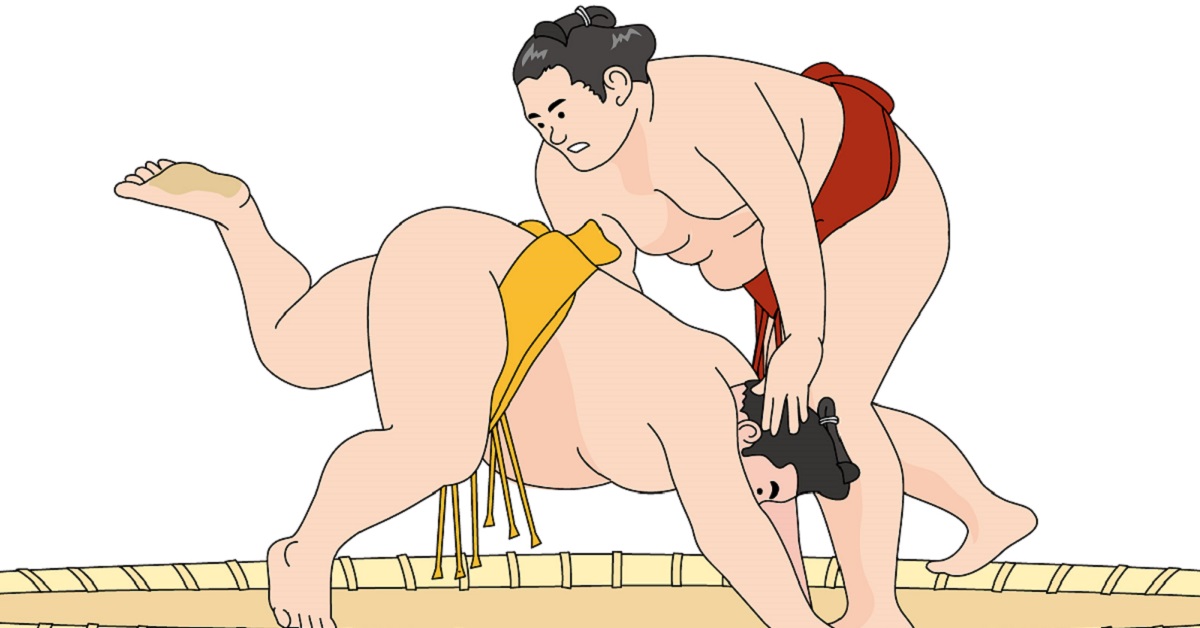

Sumo wrestling has a wide variety of winning techniques, but among the rarest is Harimanage. This technique is often used by tall rikishi (wrestlers) to turn the tide in a bout when in a disadvantageous position, making it both powerful and visually stunning. Though unfamiliar to many beginners and international spectators, understanding Harimanage adds a whole new level of appreciation to sumo. In this article, we’ll explain the origins, characteristics, execution, and significance of this unique technique in a way that is easy for anyone to understand.
- What is Harimanage?
- Origin of the Name and the Artistry of the Technique
- Why Harimanage Is So Rare
- Real Examples of Harimanage in Sumo
- How Harimanage Compares to Other Throwing Techniques
- What Kind of Rikishi Can Use Harimanage Successfully
- Tips for Watching Harimanage for the First Time
- Why Harimanage is Considered Artistic
- Conclusion
What is Harimanage?
Harimanage is an official sumo throwing technique, executed when a rikishi, having both arms wrapped around them by the opponent (morozashi), grabs the opponent’s mawashi (belt) over the shoulder or head and throws them backward by arching their body.
The motion is dramatic and forceful, resembling waves crashing violently against rocks, which is where the name originates. It requires flexibility, timing, and a long reach, making it one of the most visually spectacular but difficult techniques to perform.
Origin of the Name and the Artistry of the Technique
The term “Harima” is derived from an old Japanese word for rough waves. The throw mimics the powerful force and flow of the sea. In sumo, victory is not only about power but also about elegance, precision, and form. Harimanage is admired for how it utilizes the entire body, including precise footwork, balance, and body control, making it an artful expression of sumo skill.
Why Harimanage Is So Rare
Harimanage is rarely seen in actual matches due to its strict execution conditions:
- It starts from a morozashi, a position usually seen as disadvantageous.
- It requires a tall, flexible body and explosive timing.
- The risk of self-defeat is high if misapplied.
The following table illustrates how uncommon Harimanage is, compared to other sumo techniques.
| Technique | Average Annual Use | Characteristics |
|---|---|---|
| Yorikiri | Approx. 250 times | A basic force-out, pushing the opponent out |
| Oshidashi | Approx. 200 times | A quick push-out, common among aggressive rikishi |
| Uwatenage | Approx. 100 times | A classic overarm throw |
| Harimanage | 1–2 times | Rare, condition-specific, and dramatic |
Real Examples of Harimanage in Sumo
Here are documented cases where Harimanage was used successfully in official tournaments.
| Year | Winning Rikishi | Opponent | Tournament | Commentary |
|---|---|---|---|---|
| 2015 | Aoiyama | Chiyomaru | Spring | Executed from a morozashi into a swift backward throw |
| 2020 | Kaisei | Chiyoshoma | Kyushu | Gripped over the shoulder and flipped opponent with great force |
Every successful Harimanage leaves a lasting impression on fans and is often replayed in highlight reels.
How Harimanage Compares to Other Throwing Techniques
Let’s look at how Harimanage stands out among other common sumo throws.
| Technique | Direction | Key Traits | Best Scenario |
|---|---|---|---|
| Uwatenage | Side | A fundamental overarm throw | In standard belt-wrestling bouts |
| Shitatenage | Side | Uses the underarm grip to topple | When inside grip is achieved |
| Kotenage | Side | Twists opponent’s arm to unbalance | When opponent’s arm is extended |
| Harimanage | Backward | A unique reverse throw using shoulder grip | When caught in morozashi |
What Kind of Rikishi Can Use Harimanage Successfully
Harimanage demands more than strength. Wrestlers with the following traits tend to perform it more successfully:
| Physical Trait | Reason |
|---|---|
| Tall stature | Allows easier reach over the opponent’s shoulder |
| Flexibility | Needed for the backward arch during execution |
| Strong core | Maintains balance while rotating and resisting counterforce |
| Explosive speed | Enables sudden reversal from a disadvantaged position |
The technique highlights not just raw power but the sophisticated interplay of athletic attributes.
Tips for Watching Harimanage for the First Time
To spot Harimanage during a live match, watch for these key signs:
- The rikishi is in a morozashi (wrapped position).
- One arm reaches over the opponent’s shoulder or head.
- The throw involves the rikishi arching backward dramatically.
If you hear the announcer declare “Harimanage” after the bout, you’ve witnessed a truly rare moment in sumo.
Why Harimanage is Considered Artistic
In sumo, great moves are not only measured by their outcome but also by their form, timing, and drama. Harimanage is seen as one of those “beautiful techniques” due to how it incorporates balance, counterweight, and spatial control.
The moment it succeeds, you can feel the entire arena hold its breath. It’s more than a win — it’s a performance. Fans, commentators, and even fellow wrestlers often acknowledge the beauty of such a throw.
Conclusion
Harimanage is one of the rarest and most artistic winning techniques in sumo, making it highly memorable for those who witness it. For beginners or international spectators, learning about Harimanage adds deeper meaning and excitement to every bout.
Sumo is not just a sport — it’s a living tradition combining strength, culture, and skill. Watching a Harimanage live is like seeing a perfect balance of those elements. The next time you watch sumo, keep an eye out for this spectacular throw — you may be lucky enough to see it in action.

コメント