
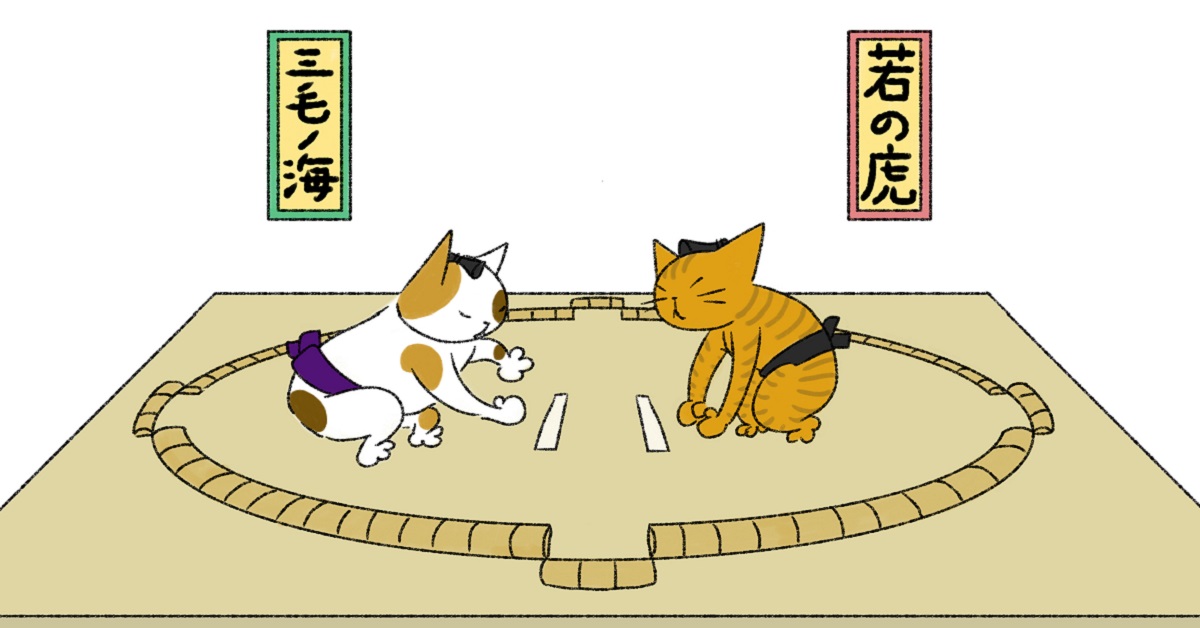

A shikona is a special name used by sumo wrestlers in the ring, different from their real name. It reflects their personality, background, and spirit. This article explains the meaning, origin, structure, and cultural significance of shikona in a way that’s easy to understand for beginners and international fans.
What Is a Shikona?
Basic Meaning and Origin of the Shikona
A shikona is the official name used by sumo wrestlers during matches. The term was originally written as “醜名” (shikona), where “醜 (shiko)” was an old word that meant “strong” or “powerful.” Over time, this was linked to the traditional sumo move of “shiko” or stomping, and came to be written as “四股名” — the current form.
This naming practice dates back to the Edo period and has since become a standard tradition. A shikona may include references to the wrestler’s hometown, stable, coach’s wishes, or even auspicious characters. For wrestlers, a shikona is not just a name — it’s a symbol of their sumo identity and personal journey.
Structure and Meaning of a Shikona
How Shikona Are Formed
Typically composed of 2 to 4 kanji characters, shikona are carefully chosen for their appearance, sound, and meaning. While some wrestlers suggest their own names, it is usually their stablemaster who assigns the name.
| Element | Explanation | Example |
|---|---|---|
| Hometown Reference | Based on place of birth | Tochinoshin (Tochigi), Ise-no-umi (Ise) |
| Stable Tradition | Derived from stable’s legacy | Asashoryu (“Asa” from Asashio stable) |
| Good Fortune or Faith | Characters associated with luck | Fukuno-kami, Katsuno-hana |
| Animal/Nature Symbolism | Represents strength or grace | Kakuryu, Hakuho, Goeido |
| Sound and Rhythm | Pleasing to hear and say | Takakeisho, Tobizaru |
A shikona is deeply meaningful and not just a label. It often serves as a motivational anchor for the wrestler, and in some cases, it’s changed to improve luck or reflect personal growth.
Shikona and Foreign Wrestlers
Adopting a Japanese Name Beyond Cultural Boundaries
Many foreign-born wrestlers adopt Japanese shikona as part of their integration into the sumo tradition. This shows respect for Japanese culture and signals their commitment to becoming part of the sumo world.
| Country of Origin | Shikona | Stable | Notes |
|---|---|---|---|
| Mongolia | Hakuho | Miyagino Stable | “Haku” means purity, “ho” is a legendary bird |
| Mongolia | Asashoryu | Takasago Stable | “Asa” continues stable naming tradition |
| USA | Akebono | Azumazeki Stable | First non-Japanese yokozuna |
| Bulgaria | Kotooshu | Sadogatake Stable | Shikona means “European from Koto” |
For foreign wrestlers, the shikona is a symbol of unity with Japanese tradition, helping them gain fans and connect more deeply with their new environment.
Name Changes and Their Significance
Changing Shikona with Career Milestones
A wrestler may change their shikona when reaching a new level in their career, experiencing a turning point, or switching stables. These name changes often mark a fresh start or renewed determination.
| Former Shikona | New Shikona | Reason |
|---|---|---|
| Wakanohana | Takanohana | Name inheritance between brothers |
| Akebono | Akebono Taro | Full name used after retirement |
| Asanowaka | Asanoyama | Name change upon promotion to Juryo |
Such name changes are viewed as transformative moments and can signal the beginning of a new chapter in a wrestler’s journey.
Impact of the Shikona
Influence on Fans and Cultural Legacy
To fans, the shikona is a wrestler’s face and identity. Names with strong rhythm, meaning, or cultural depth tend to stick in memory and enhance fan loyalty.
| Shikona | Impression | Memorability |
|---|---|---|
| Kisenosato | Calm and strong | High |
| Kaio | Brave and dignified | High |
| Takakeisho | Noble and assertive | Medium |
Some shikona are passed down through generations, especially when wrestlers retire and become stablemasters. This continuity strengthens the culture and history of sumo, linking past and present through names.
Addition: Shikona as a Source of Mental Strength
A shikona is not just external—it often functions as a mental anchor for the wrestler. Remembering the meaning behind their name allows wrestlers to reaffirm their purpose and stay focused during daily training and tournaments.
When struggling with form or morale, a wrestler may change their shikona to “reset” mentally. The name itself can become a catalyst for change, offering a new mindset and energy.
At the same time, fans often see the shikona as a doorway into the wrestler’s story, imagining the emotions, history, and meaning behind the name. This connection between name and narrative is one of the most compelling aspects of sumo.
Conclusion
A shikona is far more than a stage name. It reflects the wrestler’s background, beliefs, training, and spiritual connection to the sport. It embodies the traditions, values, and emotional weight of sumo culture. From beginners to seasoned fans, understanding shikona deepens appreciation of sumo and its rich heritage.
Especially for international fans and newcomers, learning about shikona can serve as the first step toward understanding the depth of sumo wrestling. Every name holds a story, and through those stories, we grasp the soul of sumo.

コメント