sumo_wrestling_en

Introduction

What Is the Jūryō Division in Sumo? A Thorough Analysis of Promotion Requirements and Benefits

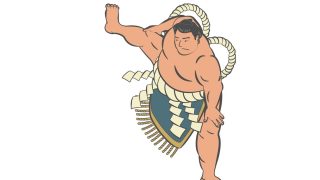
Jūryō marks a turning point in a wrestler’s career—the first step toward the prestigious Makuuchi division. Promotion leads to a significant rise in quality of life, social status, and visibility in the sumo world. This article highlights the features, appeal, and even the role of foreign wrestlers in this division.
Introduction

The Meaning and Usage of “Dosukoi” — The Japanese Sumo Shout That Makes Matches Even More Enjoyable for Foreign Visitors

For many foreign visitors, “Dosukoi” is the first Japanese phrase they remember from a sumo match. This traditional call is easy to pronounce, culturally rich, and full of spirit, making it a perfect gateway into the excitement of Japan’s national sport.
Introduction

What is the Kesho-mawashi? An Easy-to-Understand Guide to the Lavish Traditional Ornament that Embellishes Sumo and Its History

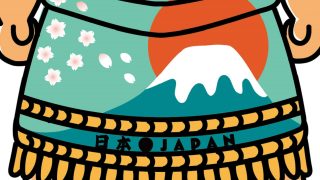
In sumo, few sights are as captivating as the kesho-mawashi—a ceremonial belt that combines centuries-old tradition with exquisite craftsmanship. Measuring 6 to 7 meters in length and featuring intricate, hand-embroidered designs, it serves as a visual emblem of a wrestler’s heritage, personality, and status within the sumo hierarchy.
Introduction

The position of Makushita – the stage in Japanese sumo where wrestlers aim to become Sekitori

Makushita is one of the most critical divisions for wrestlers aspiring to become Sekitori. With no monthly salary and only allowances per tournament, wrestlers train hard both physically and mentally while aiming for promotion. This section introduces Makushita’s unique features and highlights.
Introduction

Thrilling Sumo Experience! Feel the Essence of Japanese Culture from the Sunakaburi Seats

In Japanese sumo, the Sunakaburi seats—officially called Tamari-seki—are the closest you can get to the action. Located just outside the ring, these seats immerse you in the heat of battle, where the wrestlers’ power, rituals, and emotions unfold right before your eyes. It’s not just a seat—it’s a once-in-a-lifetime encounter with the living tradition of sumo.
Introduction

The Powerful Overarm Throw that Represents Sumo – Uwatenage Explained Simply

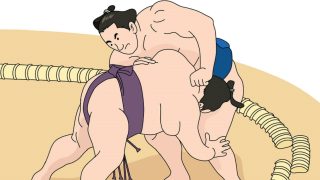
Uwatenage is a sumo technique that encapsulates skill and strategy. By reading the opponent’s balance, securing the uwate grip, and rotating the hips at the perfect moment, a wrestler can decide the match instantly. This moment captures the very essence of sumo’s appeal.
Introduction

An Easy-to-Understand Guide to Sumo’s Middle-Rank Division for Foreigners

For both Japanese and foreign wrestlers, Sandanme is a proving ground that tests skill, stamina, and mental toughness. Located just above Jonidan, with about 180 wrestlers, this division offers fierce competition and valuable experience, making it a key milestone on the road to becoming a Sekitori.
Introduction

What Makes Yorikiri Exciting? The Appeal of a Fundamental Technique Even Sumo Beginners Can Enjoy

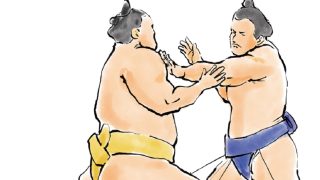
Yorikiri is one of the most straightforward and impactful techniques in sumo. By closing the distance, maintaining a low stance, and driving forward, wrestlers create a thrilling moment as they force their opponent out of the ring. For foreign spectators, its simple winning condition makes it an accessible and engaging gateway to the world of sumo.
Introduction

What is the Gunbai? A Clear Explanation of the Symbol of Japanese Sumo Inherited from the Sengoku Period

In the world of sumo, the Gunbai is far more than just a referee’s accessory. Rooted in the battlefields of feudal Japan, it was once used to direct armies and now serves as a visible declaration of victory in sumo bouts. The Gunbai embodies discipline, cultural heritage, and ceremonial beauty, making it an icon that fascinates audiences worldwide.
Introduction

What is Jōnidan? A Beginner’s Guide to Sumo’s Basic Division for Foreigners

Jōnidan serves as a gateway to higher divisions in the sumo ranking system. It is the stage where wrestlers, having graduated from Jonokuchi, prove their consistency and mastery of basic techniques before advancing further. For international audiences, learning about Jōnidan reveals the discipline, dedication, and cultural immersion that shape every professional sumo career.