Introduction

Introduction

Yobidashi Explained: More Than Just Calling Wrestlers’ Names in Sumo

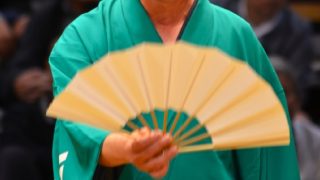
In the world of sumo, it is not only the wrestlers and referees who matter but also the yobidashi, a vital figure working behind the scenes. With their unique melodic calls, they announce the wrestlers while ensuring that every bout runs smoothly, embodying the unseen strength of sumo tradition.
Introduction

Kachikoshi Explained: Understanding Sumo’s Winning Record Standard and Its Impact on Wrestlers

Sumo is more than strength and tradition—it is also about results. The term “Kachikoshi” refers to finishing a tournament with more wins than losses. For wrestlers, this milestone is critical: 8 victories out of 15 guarantee Kachikoshi, while fewer wins often mean demotion. By learning this simple yet powerful concept, even newcomers and overseas fans can appreciate how Kachikoshi shapes careers and fuels the excitement of sumo.
Introduction

The Meaning of “Shonichi o Dasu”: A Unique Sumo Expression Embodied in the Shiroboshi (First Victory)

“Shonichi o Dasu” refers to the moment when a wrestler earns their first Shiroboshi (win) in a honbasho. It is more than just a single victory; it carries special significance, providing mental stability and influencing the flow of the matches that follow.
Introduction

Butsukari-geiko: A Traditional Sumo Training That Strengthens Both Body and Spirit

In sumo, butsukari-geiko represents more than just practice. It is a ritual of endurance and tradition, where wrestlers repeatedly push their limits. For foreign audiences, this training provides a unique window into Japan’s cultural heritage.
Introduction

The Essence of “Katasukashi”: A Technique That Enriches Sumo and a Fascinating Japanese Expression

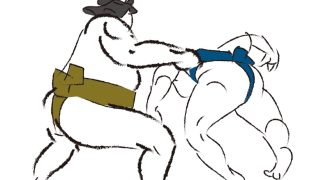
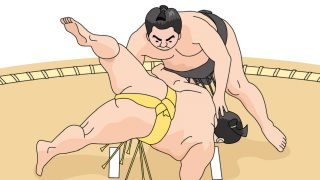
Katasukashi is a signature sumo technique where even a smaller wrestler can bring down a giant. It relies on timing, anticipation, and agility rather than brute strength, making it one of the most dramatic moves on the dohyo. In daily life, the word describes an “unexpected disappointment”, showing its cultural richness beyond the ring.
Introduction

What is Dohyo-giwa? A Symbol of Perseverance in Both Sumo and Life

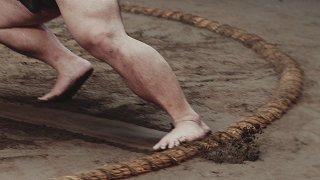
Dohyo-giwa is not just a technical term in sumo but also a cultural symbol that reflects Japanese spirit. The scenes of comeback victories and the attitude of never giving up until the very end inspire admiration far beyond the sumo arena, resonating with people worldwide.
Introduction

What is Mizu-iri? A Unique Tradition in Sumo that Preserves Safety and Fairness

For those watching sumo for the first time, the sudden pause called Mizu-iri may appear confusing. Yet, this ritual is far more than a break—it is a moment of purification, recovery, and renewed competition. By learning about Mizu-iri, fans can experience sumo as both a sport and a cultural tradition.
Introduction

Inasu: The Sumo Technique of Deflecting Power for a Comeback

Understanding “inasu” can completely transform how you watch sumo. It is not only about brute strength but also about strategy and quick reflexes that determine the outcome.
Introduction

What is Kenka-Yotsu? A Form that Embodies the Techniques and Tactics of Sumo

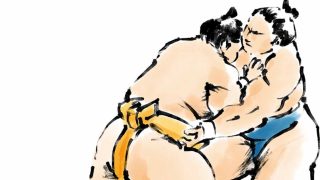
There are two main grappling styles in sumo: Ai-Yotsu (same grip) and Kenka-Yotsu (opposite grip). In Kenka-Yotsu, the wrestlers’ grips are opposite, leading to fiercer tactical exchanges and more varied techniques. By learning some easy-to-follow viewing points, even beginners can appreciate the true depth of sumo.
Introduction

What is Ai-Yotsu? The Fundamental Sumo Form that Creates a Head-to-Head Clash Between Wrestlers

When watching sumo, knowing the grips deepens understanding. In particular, Ai-Yotsu and Kei-Otsu are decisive elements that shape the flow of a bout, greatly enhancing the enjoyment of spectators.