Trivia

Trivia

What “Gottsuan desu” Really Means|Beyond Food, It’s About Respect and Appreciation

To newcomers and foreign fans, “Gottsuan desu” may sound like a casual phrase, but within the sumo world it carries multiple layers of meaning. From showing appreciation after meals to expressing respect after training or matches, it reflects the spirit of gratitude and discipline unique to sumo culture. Understanding this phrase opens the door to a richer appreciation of Japan’s national sport.
Trivia

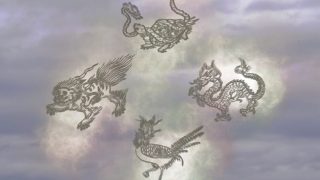
The Secret of the Suspended Roof: The Four Divine Beasts Protecting Sumo Culture and Their History

When watching sumo, one of the most striking features is the suspended roof above the dohyo. This is not just design but a traditional structure tied to Shinto. The tassels at the four corners carry cosmological meanings, serving as symbols of protection for the dohyo.
Trivia

Do Sumo Wrestlers Build the Dohyo? Unveiling the True Role of the Dohyo-kata Behind Grand Sumo

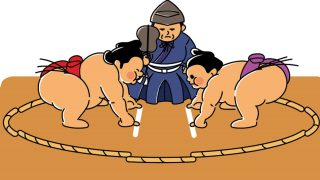
The dohyo may look like a simple ring of soil, but it is in fact a carefully crafted sacred stage. Built by the Dohyō-kata, lower-ranked wrestlers entrusted with this role, the dohyo embodies tradition, ritual, and craftsmanship. Without their effort, grand sumo tournaments could not exist.
Trivia

What Is Kabai-te? The Aesthetics Beyond Victory and Defeat in Sumo

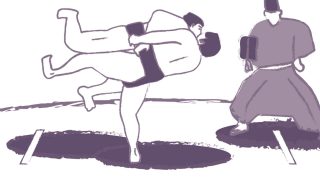
For many first-time spectators, sumo appears to be only about power, technique, and victory. Yet there exists a subtle tradition called “kabai-te,” where the winning wrestler protects his opponent by placing his hand down first. This unique practice highlights that sumo is not only a sport but also a philosophy of courtesy and respect deeply rooted in Japanese tradition.
Trivia

Understanding Sumo Hierarchy A World Where Entry Order and Ranking Decide Status

The world of sumo has a unique hierarchy that shapes life both inside and outside the ring. New recruits live in absolute obedience to their seniors, supporting them in daily life until they themselves grow into mentors. This article explains the system in a way beginners and international fans can easily understand.
Trivia

Barefoot All Year: Why Sumo Wrestlers Do It and the Surprising Benefits

The reason wrestlers live barefoot all year round is deeply tied to stability in the ring and maintaining the sacredness of sumo. This article introduces the cultural and physical background behind this practice in a way that is easy for beginners and foreign fans to understand.
Trivia

Women Prohibited in Sumo? Female Wrestlers and Evolving Values

For centuries, sumo has been tied to Shinto rituals that considered the dohyo sacred, resulting in the tradition of excluding women from the ring. However, in modern times, female wrestlers are actively competing worldwide, and this has forced society to question whether tradition and gender equality can coexist in sumo’s future.
Trivia

What is Shizumemono? The Prayers Embedded in the Sumo Ring and the Meaning of the Seven Sacred Offerings

Sumo is not just about strength and technique — it is also a sacred ritual of prayer and gratitude. At its heart lies Shizumemono, the offerings buried beneath the ring. This ancient tradition, preserved through centuries, embodies the spiritual foundation of sumo.
Trivia

What Are the Differences in Sumo Attire by Rank? Uncovering the Meaning and Rules of Tradition-Rich Outfits

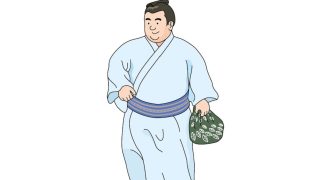
In sumo wrestling, what a wrestler wears speaks as loudly as how they fight. From practice robes to ceremonial garments, clothing in sumo reflects a strict social order and deep-rooted customs. For newcomers, discovering these differences adds a layer of meaning to every match and ritual.
Trivia

What Is a Tanimachi? A Clear Explanation of the Supporters Behind Sumo Wrestlers

Sumo may appear as a solo sport, but success in the dohyo (ring) often relies on unseen allies. Tanimachi are the backbone of the sumo world, offering more than just money—they provide emotional stability, resources, and community connection. Their influence stretches far beyond the tournaments, shaping the lives and futures of the wrestlers they support.