
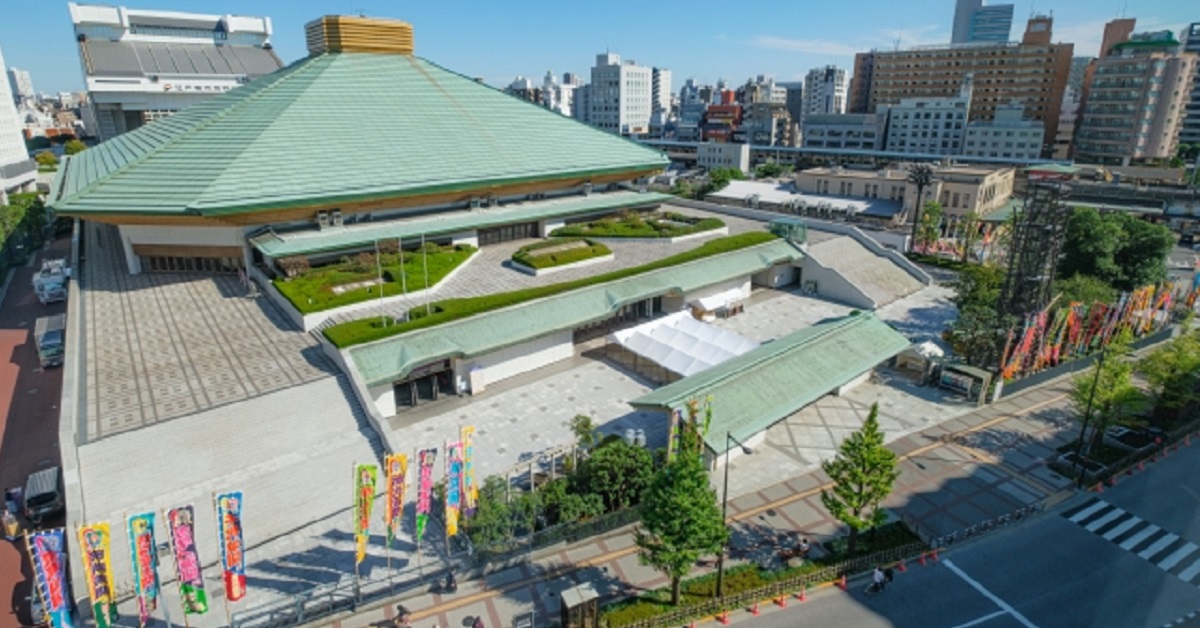

The “Hatsu Basho” is the first official sumo tournament of the year, held every January at the Ryogoku Kokugikan in Tokyo. As one of Japan’s major traditional events, it attracts attention not only from locals but also from many international visitors. This article provides a clear and accessible introduction to the basics, cultural background, and how to enjoy watching the Hatsu Basho, especially for those new to sumo or Japanese traditions.
- What is Hatsu Basho? Its Role in the Annual Sumo Schedule
- Venue and Atmosphere of the Hatsu Basho
- When is the Hatsu Basho Held?
- Banzuke Rankings and Intense Competition
- History and Traditions of the Hatsu Basho
- How to Enjoy Watching the Hatsu Basho
- Information for International Visitors
- Overview of the Hatsu Basho at a Glance
- Conclusion
What is Hatsu Basho? Its Role in the Annual Sumo Schedule
Professional sumo has six official tournaments (honbasho) held throughout the year. The Hatsu Basho kicks off the annual schedule and holds special significance.
| Month | Name of Tournament | Location |
|---|---|---|
| January | Hatsu Basho | Tokyo |
| March | Haru Basho | Osaka |
| May | Natsu Basho | Tokyo |
| July | Nagoya Basho | Nagoya |
| September | Aki Basho | Tokyo |
| November | Kyushu Basho | Fukuoka |
Among these, the January Hatsu Basho is seen as a fresh start, and the debut of the new banzuke (ranking list) adds to its excitement for both wrestlers and fans.
Venue and Atmosphere of the Hatsu Basho
The Ryogoku Kokugikan is known as the “spiritual home of sumo.” Located in central Tokyo with easy access, it provides a rich cultural experience beyond just watching the matches.
| Feature | Details |
|---|---|
| Location | 1-3-28 Yokoami, Sumida City, Tokyo |
| Seating Capacity | Around 11,000 seats (box seats and chairs) |
| Facilities | Sumo museum, shops, chanko-nabe restaurants |
| Nearest Station | JR Ryogoku Station (2 min walk from west exit) |
The venue also includes English-language signage, making it welcoming for international guests.
When is the Hatsu Basho Held?
The Hatsu Basho starts on the second Sunday of January and runs for 15 consecutive days, culminating in the final day known as “Senshuraku,” when the tournament champion is crowned.
| Day | Highlight |
|---|---|
| Opening Day | First matches of the tournament |
| Middle Day | Key matchups and ranking shifts |
| Final Day | Championship bouts and ceremonies |
Each day begins with lower-division matches in the morning and climaxes in the evening with top-ranked wrestlers. This format allows visitors to enjoy either the full day or the more intense afternoon matches.
Banzuke Rankings and Intense Competition
Sumo rankings are based on the banzuke system, which determines a wrestler’s status and match difficulty. Each level carries different expectations and prestige.
| Rank | Characteristics |
|---|---|
| Yokozuna | Highest rank. Must always win or face retirement |
| Ozeki | Requires consistently strong records |
| Sekiwake & Komusubi | Mid-tier elite ranks |
| Maegashira | Regular top-division wrestlers |
| Below Juryo | Lower divisions: Makushita, Sandanme, etc. |
Since performance in Hatsu Basho directly affects promotions or demotions, every match is fought with incredible intensity.
History and Traditions of the Hatsu Basho
Beyond being a sports event, the Hatsu Basho reflects Japan’s traditional culture. Several ceremonies emphasize its spiritual and historical importance.
| Ceremony | Meaning and Features |
|---|---|
| Dohyo-iri | Ring purification by Yokozuna, spiritual in nature |
| Yumitori-shiki | Bow-twirling ceremony after the final match |
| Comic Sumo Act | Interlude performance explaining sumo humorously |
These rituals show that sumo is deeply rooted in Shinto beliefs and historical customs.
How to Enjoy Watching the Hatsu Basho
To maximize enjoyment, it’s helpful to plan ahead and understand the basics of sumo viewing.
| Tip | Description |
|---|---|
| Tickets | Reserve online; popular dates sell out early |
| Dress Code | Casual is fine; dress warm in January |
| Food | Try sumo bento and chanko-nabe (hot pot) |
| Photography Rules | OK for personal use; no flash allowed |
By respecting sumo etiquette and preparation, first-timers can have a memorable experience.
Information for International Visitors
The Ryogoku Kokugikan offers multiple services for international tourists. English pamphlets, announcements, and subtitle monitors help non-Japanese speakers follow the action.
Nearby, there are attractions that deepen the sumo and Edo-era experience.
| Place | Distance and Feature |
|---|---|
| Edo-Tokyo Museum | 5-min walk; history exhibits of Edo to modern |
| Sumo Museum | Inside the venue; historical sumo artifacts |
| Training Stable Visit | Local sumo stables allow early-morning tours (reservation needed) |
The surrounding Ryogoku area blends tradition and modern tourism, making it ideal for cultural immersion.
Overview of the Hatsu Basho at a Glance
| Feature | Details |
|---|---|
| Venue | Ryogoku Kokugikan, Tokyo |
| Period | Mid-January, 15 days |
| Tickets | Online reservation and same-day tickets available |
| Rituals | Yokozuna ring-entering, bow-twirling ceremony |
| Food Experience | Chanko hotpot, sumo-themed lunch boxes |
| Language Support | Pamphlets, subtitles, audio guides in English |
| Sightseeing Nearby | Museums, sumo stables, traditional eateries |
Conclusion
The Hatsu Basho is not just a sports event, but a living representation of Japanese tradition. The powerful matches, the solemn rituals, and the festive atmosphere all contribute to an unforgettable experience.
For international travelers, it’s a chance to explore Japan’s spiritual and cultural depth in one of the most unique ways. If you’re in Japan in January, don’t miss this once-in-a-lifetime opportunity.
Hatsu Basho is not only a tournament. It is an encounter with the soul of Japan.

コメント